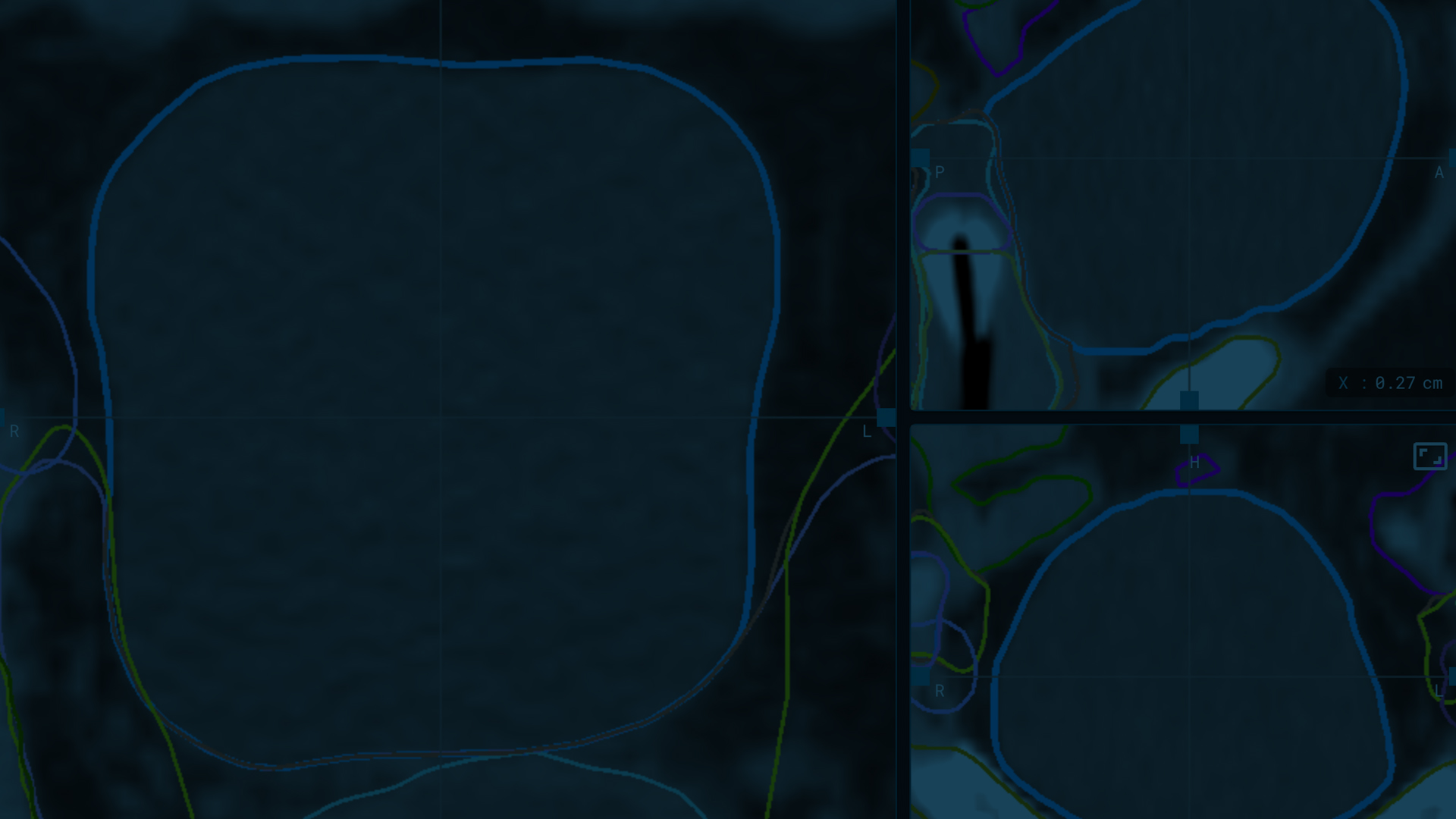
Cancer incidence is rising fast, radiation oncology teams are under growing pressure, and equipment shortages persist in many parts of the world. Meeting global radiotherapy demand with AI is increasingly seen as part of the answer, with tools embedded in clinical workflows in radiotherapy departments worldwide.
The Demand Problem in Brief
The data tells a clear story. In 2022, there were an estimated 20 million new cancer diagnoses worldwide. By 2050, that figure is projected to exceed 35 million — a rise of 77% (1). In high-income countries, radiotherapy is used in more than half of all cancer cases. It remains an essential component of cancer care worldwide, meaning demand for these services will scale in proportion to cancer incidence (2).
The workforce and infrastructure needed to meet that demand are not growing fast enough. A 2024 Lancet Global Health study estimated that meeting radiotherapy demand by 2050 would require radiation oncologists, medical physicists, and radiotherapy technologists to expand by more than 60% combined relative to 2022 levels (3). Machine shortages, specialist shortfalls, and long treatment preparation times are all contributing to a system under strain. The pressure is felt across the board, but it falls hardest on lower-income countries, where infrastructure gaps are far more severe.
This is the context in which AI tools are being adopted. They do not solve the structural problem. But they are changing what is possible within existing resources.
Where AI Is Making a Difference
The radiotherapy pathway involves multiple steps between a patient’s diagnosis and their first treatment fraction. Imaging, contouring, dose planning, quality assurance, and plan approval all take time. In a busy department, bottlenecks at any stage translate directly into longer waits for patients. In lower-income settings, where machine shortages compound the problem, the pressure is considerably greater (4). AI is helping to close that gap, and the evidence bears that out.
A 2025 retrospective study at a high-volume cancer centre in China found that a workflow optimisation programme that included AI-assisted contouring was associated with a 30% reduction in total admission-to-treatment duration, from nearly 13 days to under 9. Treatment preparation time fell from 5.75 days to 2.57 days. Applied across 25,000 patients over four years, those reductions have meaningful implications for how departments manage growing patient volumes (5).
A 2025 review in BJR Artificial Intelligence, drawing on evidence from across the field, concluded that AI applications in radiotherapy are particularly valuable in high-volume centres and in health systems facing staffing shortages, where preparation bottlenecks translate directly into treatment delays (6).
AI tools are increasingly contributing across several stages of the preparation pathway, including:
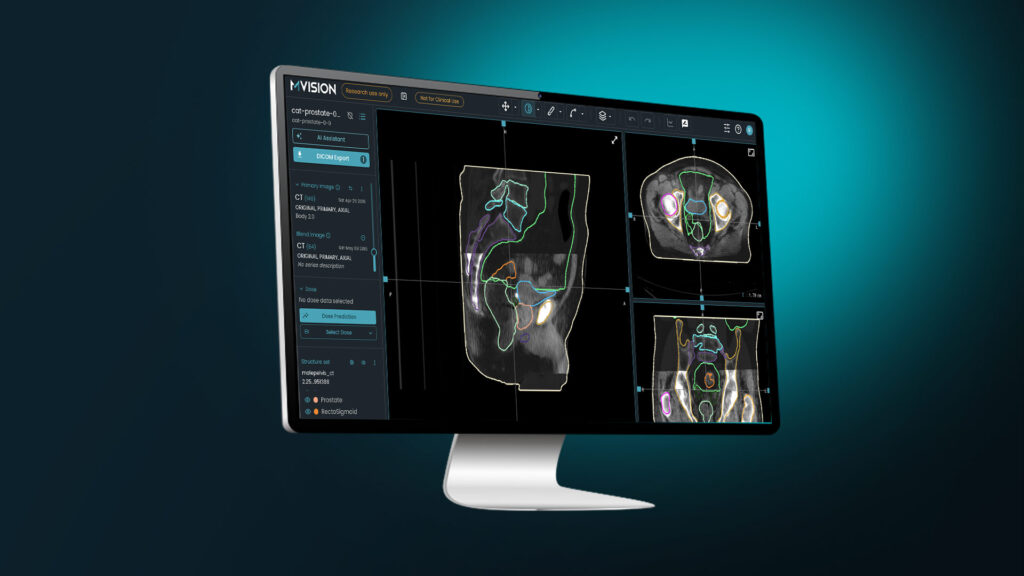
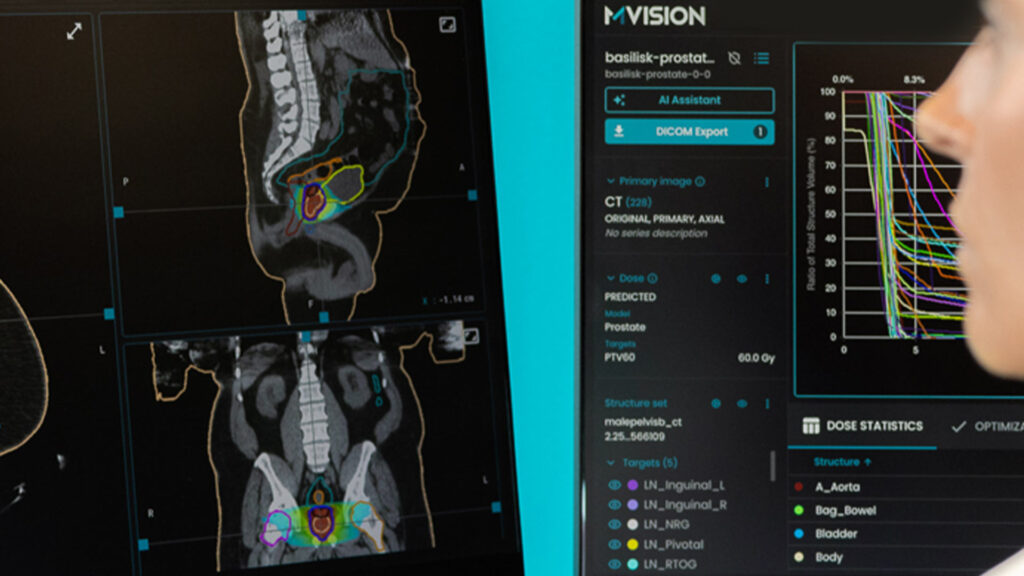
- AI-generated contours allow clinical teams to review and approve outputs rather than drawing them manually, reducing manual workload and improving consistency across teams.
- Dose prediction tools generate patient-specific starting points for plan optimisation, reducing the number of iterations needed before a plan is ready and helping to standardise results across planners.
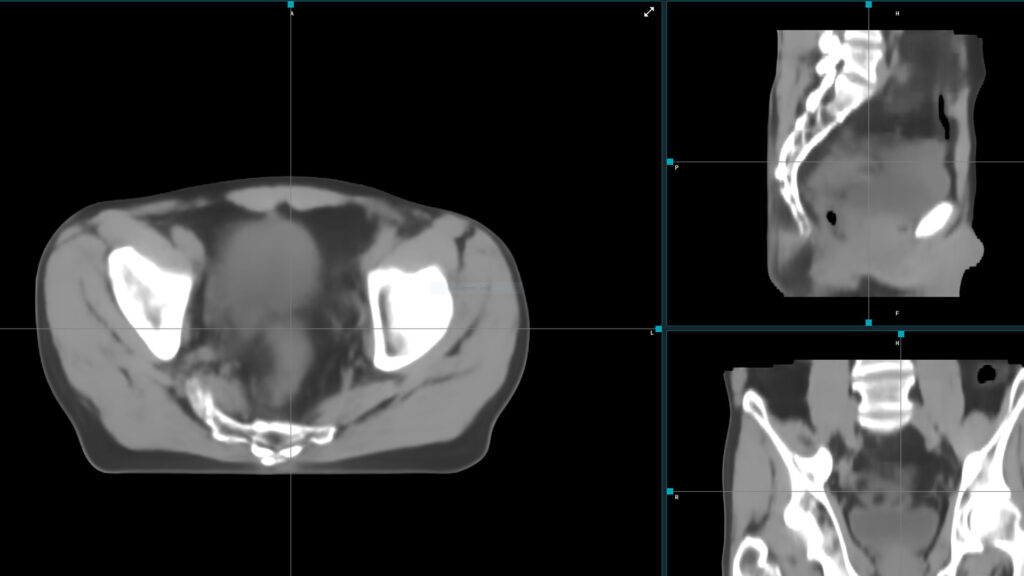
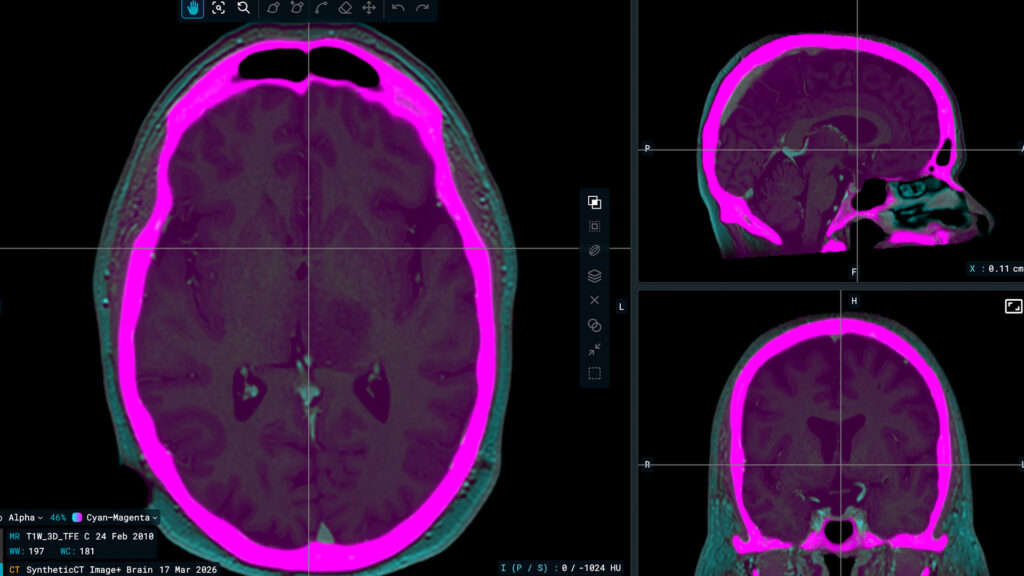
- Synthetic CT generation converts MRI or CBCT scans into images suitable for photon dose calculations, supporting MR-only workflows and reducing the need for additional simulation scans.
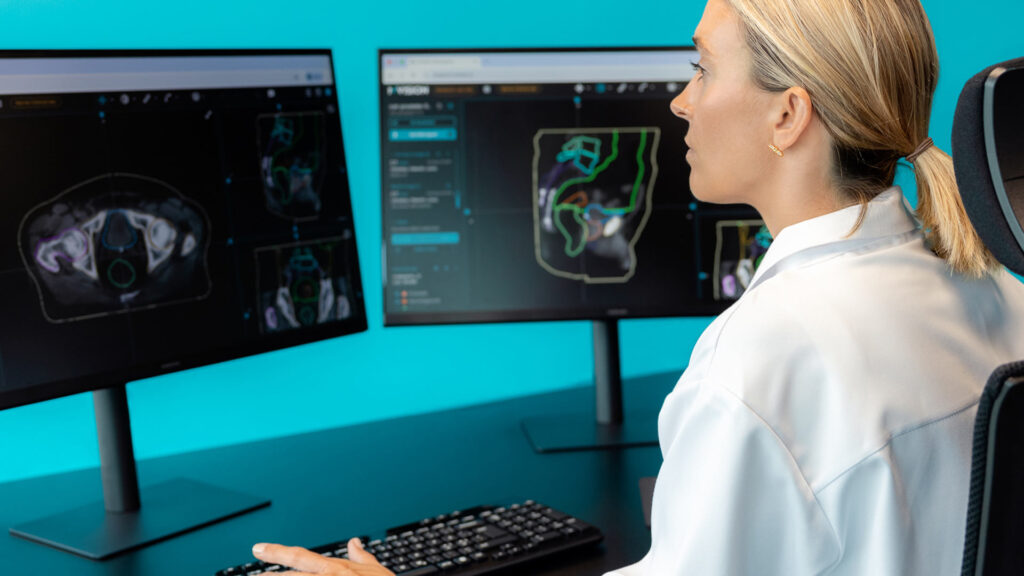
- Contour propagation uses AI-based image registration to transfer existing contours to new scans, reducing the need for full manual re-contouring when patient anatomy changes during a course of treatment.
Clinician Oversight Remains Central
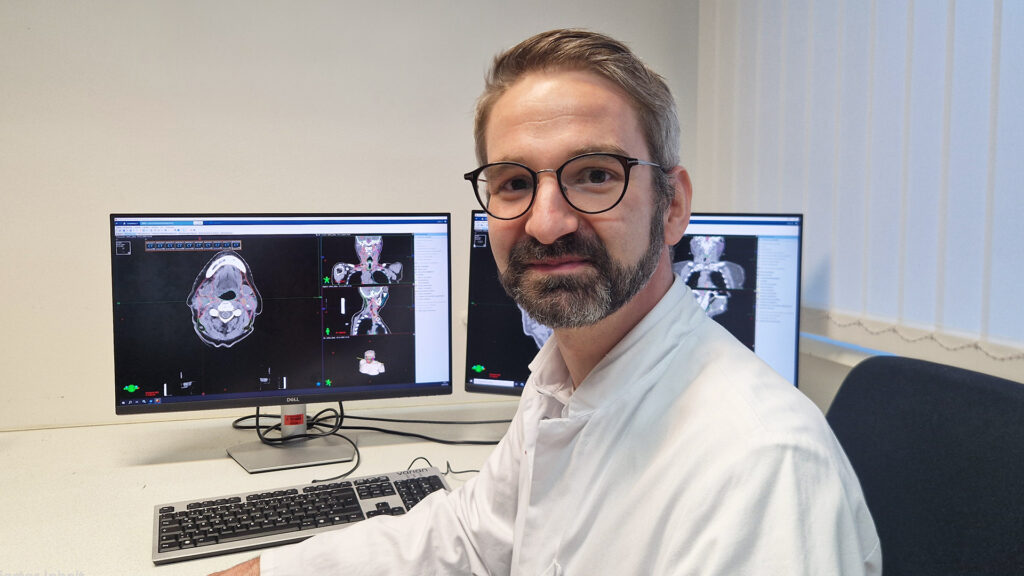
A concern that comes up regularly in discussions about AI in radiotherapy is the question of clinical control. The short answer is that current AI tools in this space are designed to support clinical decision-making, not replace it.
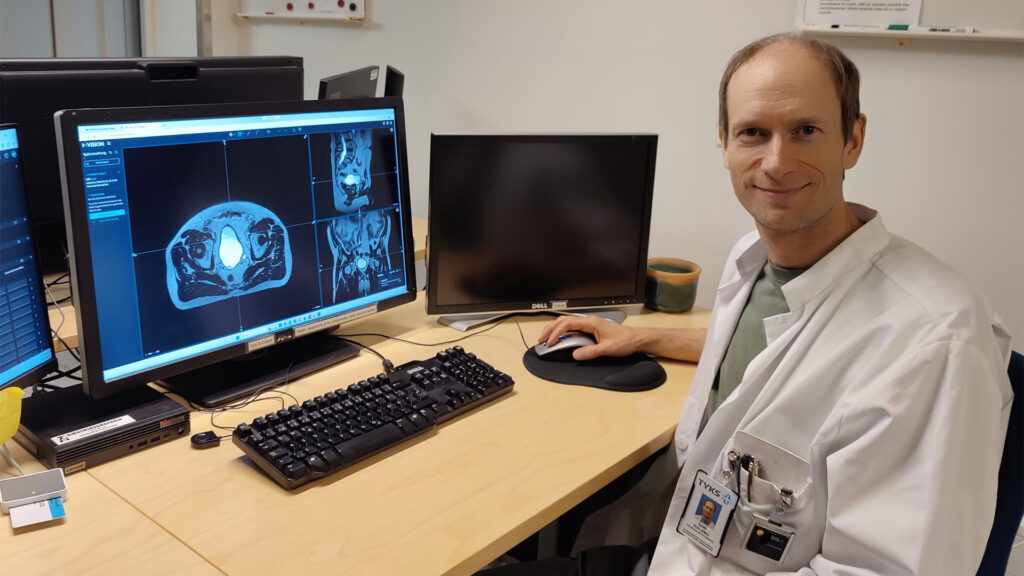
Outputs from AI-assisted contouring, dose prediction, synthetic imaging, and contour propagation are all reviewed, edited, and approved by clinical staff before use. The technology reduces the time and effort required for repetitive and time-consuming tasks, freeing specialists to focus on other decisions that require their expertise.
The Broader Picture
AI will not close the global radiotherapy capacity gap on its own. New machines need to be built, more specialists need to be trained, and health systems need to invest in radiotherapy as a core part of cancer care. Those are long-term infrastructure challenges that technology alone cannot solve.
What AI can do is help change the equation for the departments and health systems that have access to it. If clinical teams can move patients through the preparation pathway faster, treat more patients with the same resources, and maintain consistent quality across higher volumes, the effective capacity of the system increases without waiting for new infrastructure to arrive.
The scale of the demand problem ahead is large. The tools to help manage it are already in use.
References
- Bray F, Laversanne M, Sung H, Ferlay J, Siegel RL, Soerjomataram I, Jemal A. Global cancer statistics 2022: GLOBOCAN estimates of incidence and mortality worldwide for 36 cancers in 185 countries. CA: A Cancer Journal for Clinicians. 2024;74(3):229–263. https://doi.org/10.3322/caac.21834
- Atun R et al. Expanding global access to radiotherapy. The Lancet Oncology. 2015;16(10):1153–1186. https://www.thelancet.com/journals/lanonc/article/PIIS1470-2045(15)00222-3/abstract
- Zhu H et al. Global radiotherapy demands and corresponding radiotherapy-professional workforce requirements in 2022 and predicted to 2050: a population-based study. The Lancet Global Health. 2024;12(12):e1945–e1953. https://www.thelancet.com/journals/langlo/article/PIIS2214-109X(24)00355-3/fulltext
- Elmore SNC et al. Radiotherapy resources in Africa: an International Atomic Energy Agency update and analysis of projected needs. The Lancet Oncology. 2021;22:e391–e399. https://pmc.ncbi.nlm.nih.gov/articles/PMC8675892/
- Guo C et al. Longitudinal evaluation of workflow optimization in radiotherapy: A 4-year retrospective study. Journal of Applied Clinical Medical Physics. 2025. https://pmc.ncbi.nlm.nih.gov/articles/PMC12398953/
- Duke K, Papanikolaou N. Artificial intelligence in radiation therapy: from imaging to delivery — a comprehensive review. BJR Artificial Intelligence. 2025. https://academic.oup.com/bjrai/article/2/1/ubaf012/8196808