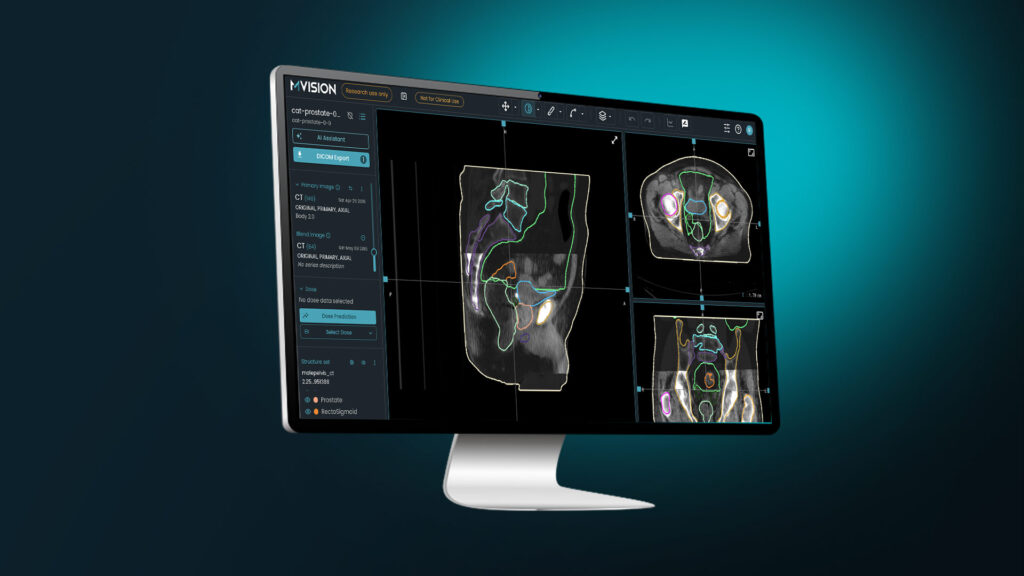
Contour Propagation in Offline Adaptive Radiotherapy
In modern radiation oncology, adaptive radiotherapy (ART) addresses dynamic anatomical changes that occur throughout a multi-week course of treatment (Dona…
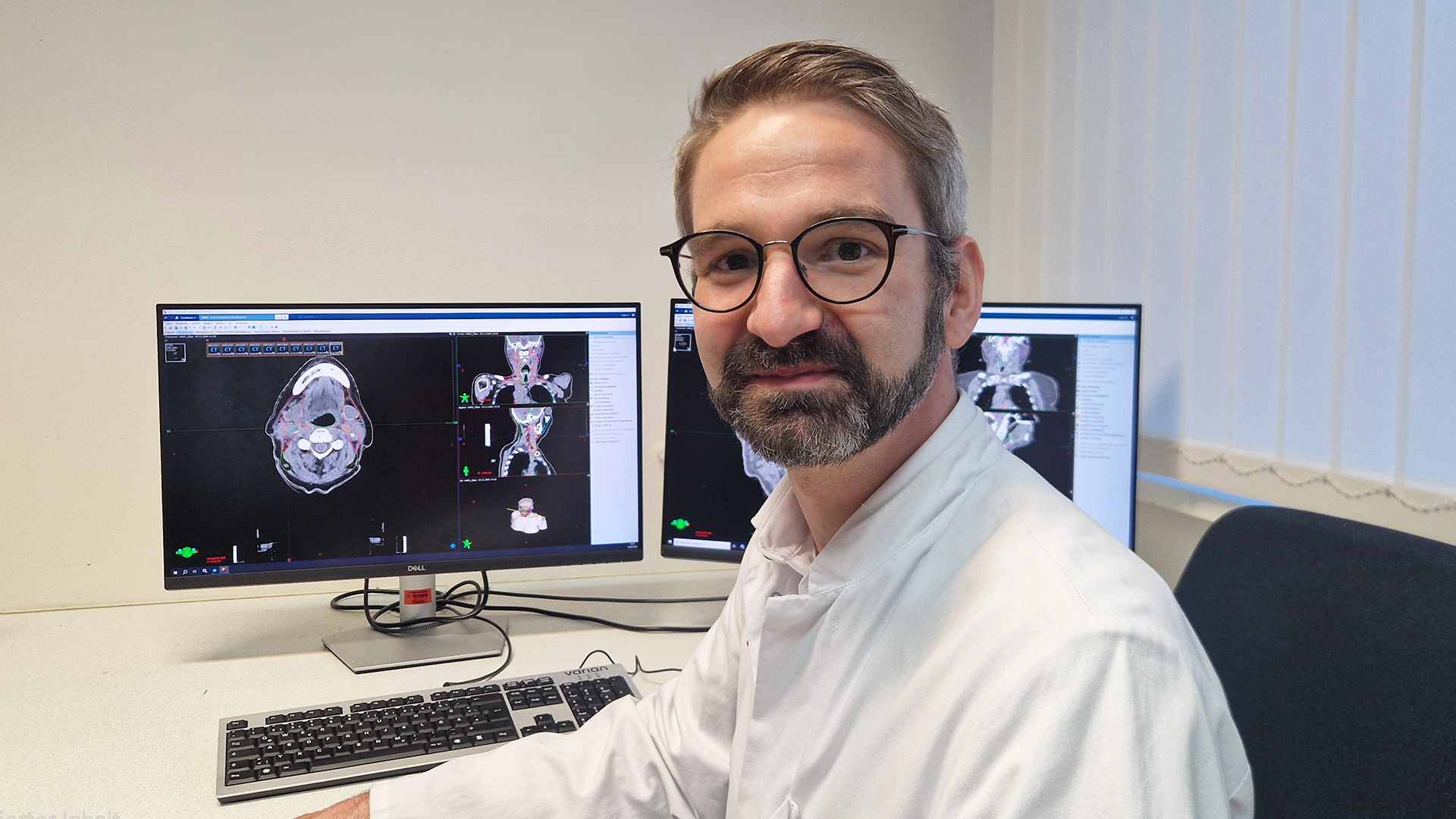
Could you introduce your hospital and your roles there?
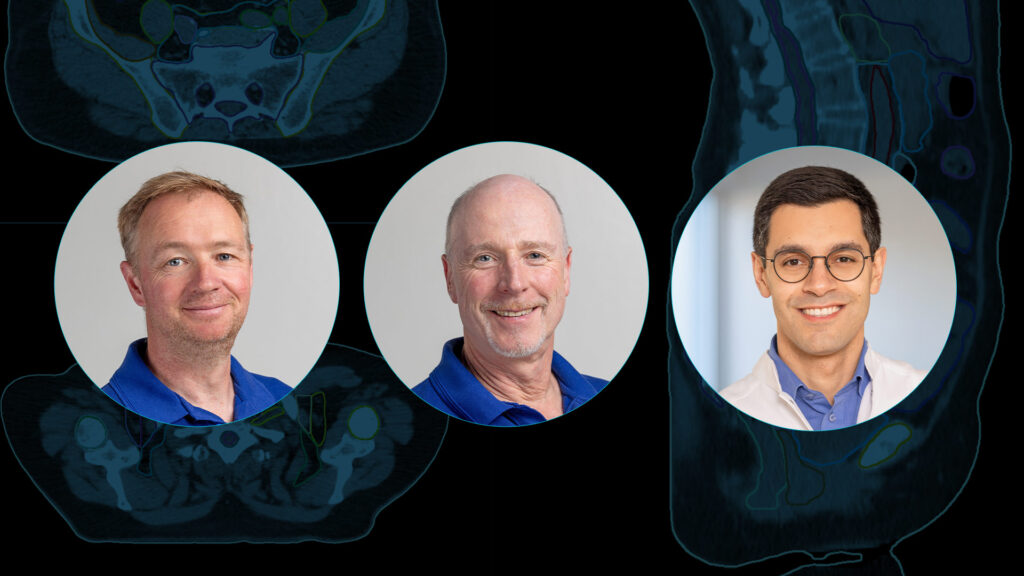
My name is Christoph Dumke, Dr. med., and I am a radiation oncologist and deputy medical director at a medical care practice of Vivantes in Berlin-Spandau, Germany.
In our practice, which is embedded in the Vivantes network of clinics and practices in Berlin, we treat almost 800 patients per year with two modern linear accelerators (Varian Truebeam) equipped with Hypersight Cone Beam CT and Vision RT for IGRT and SGRT. Furthermore, we have one HDR Brachytherapy with a focus on gynaecological cancer, especially MR-guided Brachytherapy for cervical cancer. For treatment planning we have a planning CT and access to an MRI and PET-CT via the Vivantes network.
We employ seven radiation oncologists with one in training and seven medical physicists as well as eleven radiotherapists and four medical assistants (two in training).
The practice is one of the cornerstones of the Vivantes cancer centre in northern Berlin and certified by the German Cancer Society (Deutsche Krebsgesellschaft, DKG).
How has AI become part of your radiotherapy workflow?
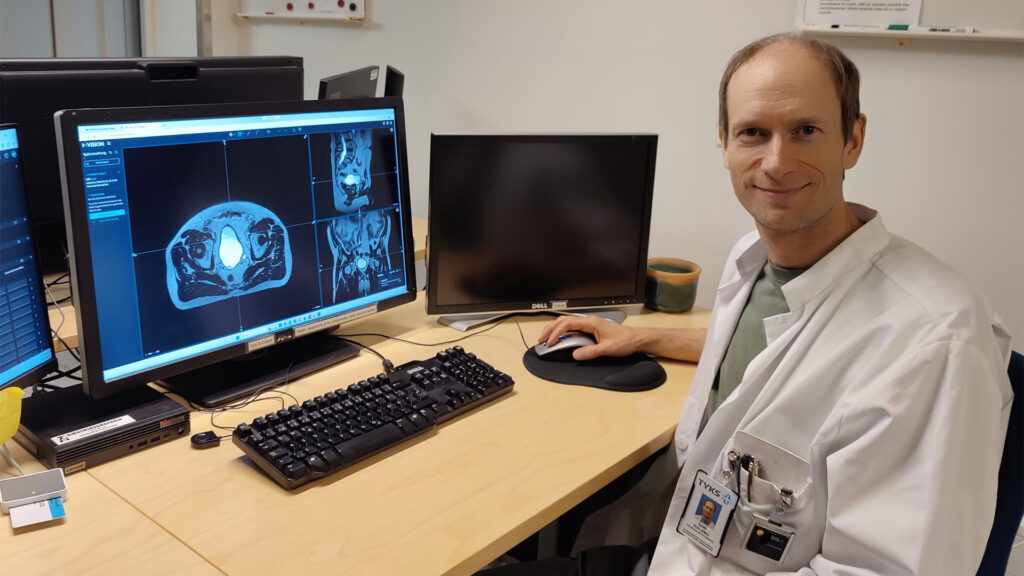
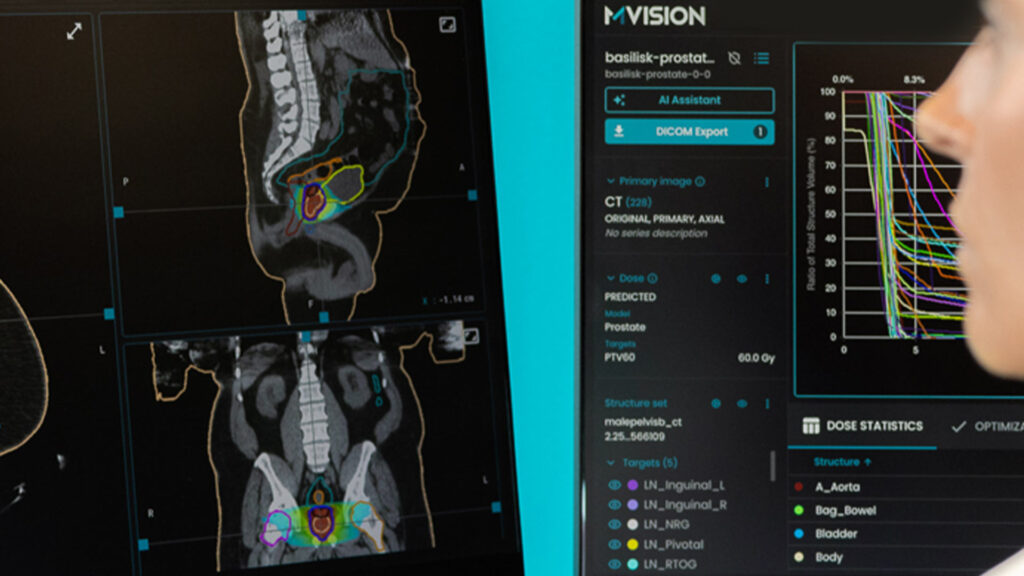
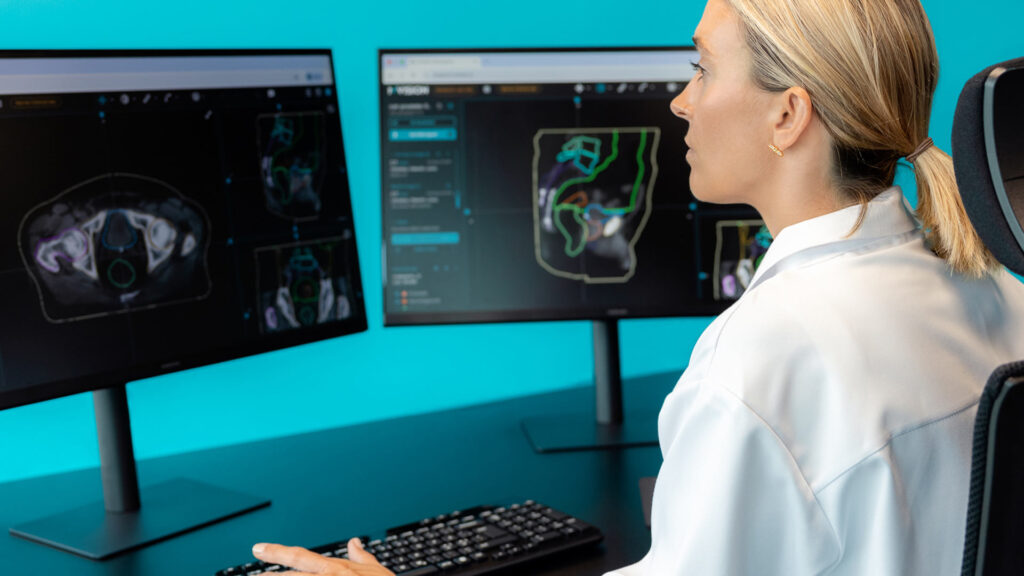
Since 2022 we have been using Contour+ of Mvision for contouring organs at risk as well as elective lymph nodes in the pelvis and in head and neck cancer patients. Furthermore, we have a strong collaboration with MVision concerning research in the field of AI driven autocontouring with a focus on head and neck cancer. In the context of this research we use Verify to compare the autocontours of Contour+ with manually contoured organs at risk and elective lymph node levels.
How have MVision AI’s solutions, such as GBS or Contour+, changed the way you work?
With the help of Contour+ we are, in many cases, able to reduce the contouring time by more than half compared to manual contouring. This enables us to not only start individual treatment earlier, but also to treat more patients in a shorter period of time. This is especially important in the growing era of hypofractionated radiotherapy, where patients are often treated with only a few fractions and the contouring and planning process takes up most of the time.
Furthermore, it has changed the way we teach due to Contour+ being integrated early in our curriculum. The autocontouring of organs at risk allows us to focus on the target volumes and it is easier for a trainee to learn the elective lymph node levels (head and neck and pelvis) if there is a template with a continuous nomenclature.
Beyond that, this frees up more time for work directly related to patients.
What difference do these advancements make for your patients?
Due to the reduced contouring time Contour+ contributes to a reduced patient waiting time for treatment.
Furthermore, Contour+ reduces the interobserver variability between the contours of different radiation oncologists, which contributes to a standardized treatment within our faculty.
What excites you most about the future of AI in oncology?
The opportunity to deliver treatment faster and more standardized with less personnel cost. The number of cancer patients who need radiotherapy is growing every year, driven by the aging of society and more effective systemic drugs. In contrast, there is a decreasing number of medical personnel to do the workload. I think AI solutions like Contour+ are one part of the solution to maintain radiation therapy at a high level for everyone who needs it.
I also hope that in the future AI driven treatment planning will emerge to make the whole process from planning CT to first treatment faster and more personalized.
For our institution, the next step in the direction of a more personalized treatment could be the implementation of Dose+ to evaluate the impact of different contouring and organ movement/filling on treatment planning (on planning CT or CBCT).
About Vivantes Klinikum Spandau
Vivantes Klinikum Spandau is one of Berlin’s major hospitals and part of the wider Vivantes healthcare network, one of the largest municipal hospital groups in Germany. As a large tertiary care and academic teaching hospital affiliated with Charité – Universitätsmedizin Berlin, the hospital provides a broad spectrum of specialised medical services supported by modern medical technology and interdisciplinary clinical expertise.
Located in western Berlin, the hospital has around 700 beds and serves patients across numerous medical specialties, combining clinical care, education, and research within the Vivantes network. The radiotherapy practice in Berlin-Spandau is an important part of the region’s oncology infrastructure, providing advanced radiation therapy, image-guided treatments, and HDR brachytherapy services for patients with a wide range of cancers.