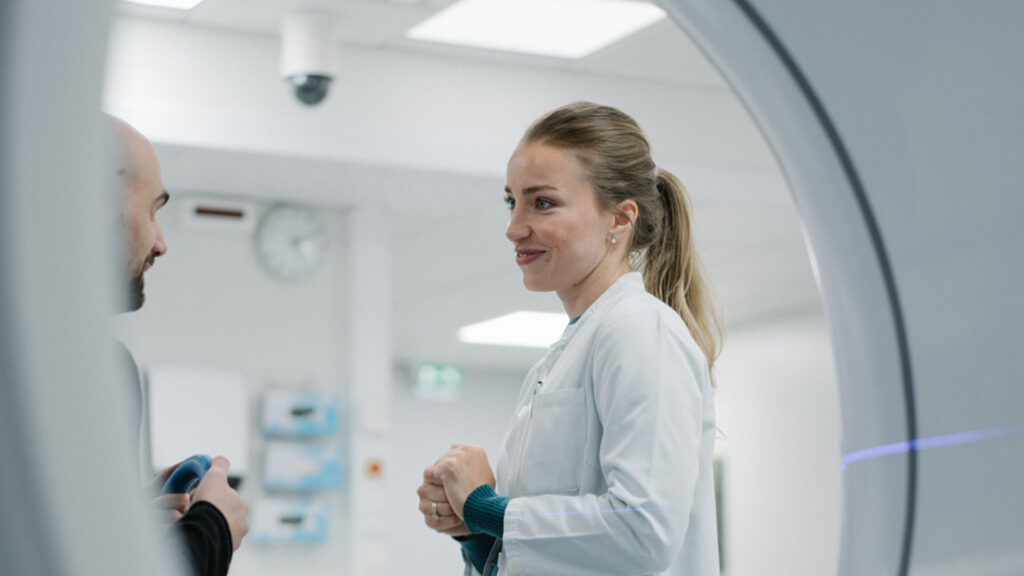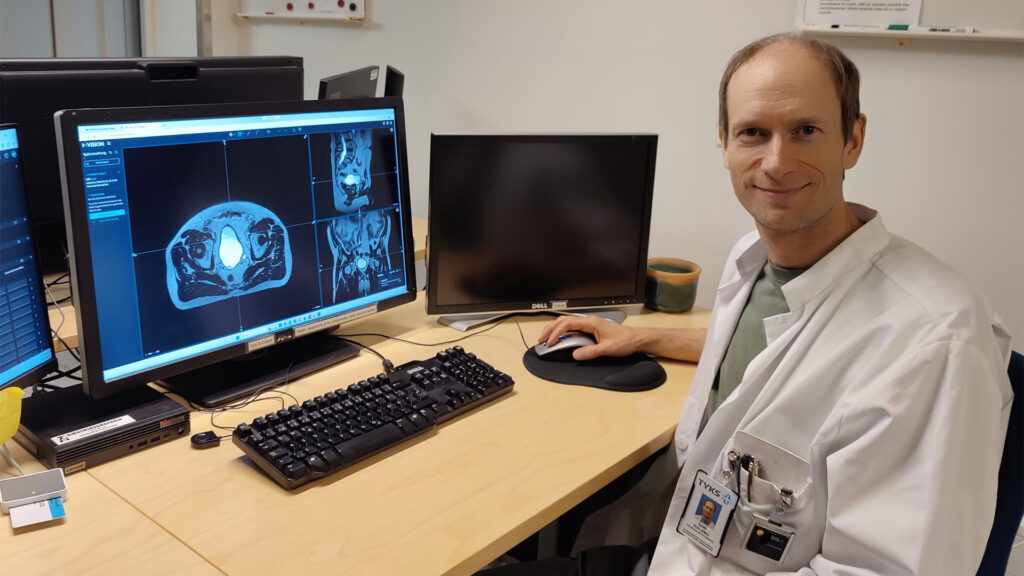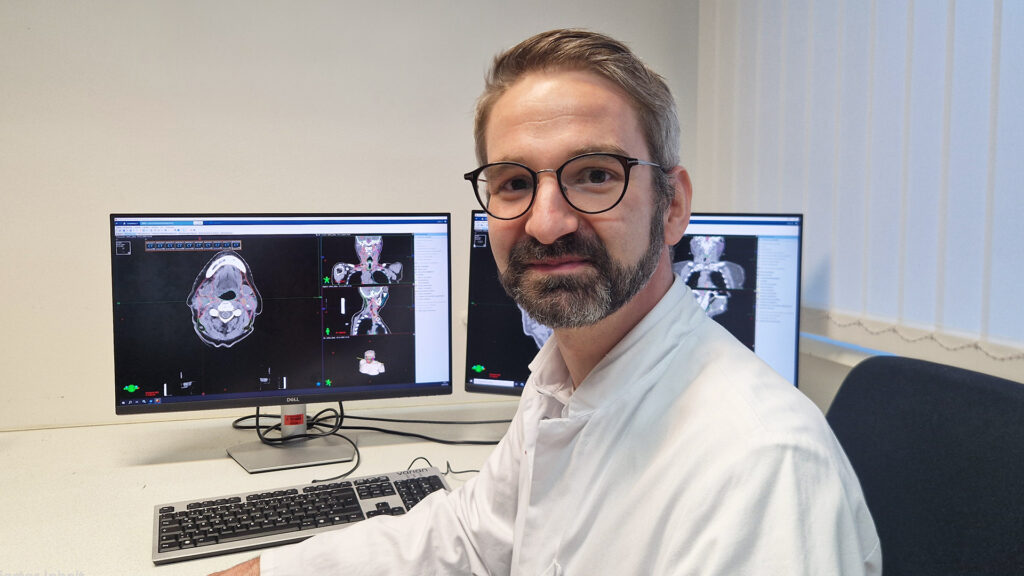
The world is treating more cancer than ever before. Yet the specialists needed to deliver one of its most important treatments, radiotherapy, are in critically short supply in many parts of the world. The radiation oncologist shortage is not a distant problem. It is happening now, and its effects on patients are already visible.
Understanding where the gaps are largest, and why, matters greatly for the patients waiting and the teams treating them.
The Scale of the Problem
Radiotherapy plays a role in the treatment of more than half of all cancer patients at some point in their care (1). That makes the people who prescribe and oversee it, radiation oncologists, essential.
A landmark 2026 Lancet Oncology Commission projected a global shortfall of around 100 million cancer care workers by 2050, spanning nurses, diagnosticians, and specialists of all kinds, including radiation oncologists (2). A separate Lancet Global Health study estimated that around 84,600 radiation oncologists will be needed worldwide by 2050, compared to an estimated 51,000 in 2022, a gap that demands significant growth from where we stand today (3).
The problem is not evenly distributed. Some high-income countries are managing, for now. Others are under significant pressure. And in much of the developing world, access to radiation oncology remains severely limited.
The United Kingdom: A Crisis in Plain Sight
Few countries illustrate the workforce problem more starkly than the UK. In the UK, radiotherapy is delivered by clinical oncologists, a specialty that combines radiation oncology with systemic cancer treatment. The Royal College of Radiologists (RCR) reported in 2024 that the NHS had a 15% shortfall of clinical oncologists. Without action, that figure is expected to rise to 19% by 2029 (4).
The numbers have real consequences. In 2024, nine in ten cancer centre heads of service reported that patients were experiencing delays to begin radiotherapy due to staffing shortages (4). One oncologist, quoted in the RCR’s 2024 census report, described patients with terminal diagnoses waiting multiple weeks for palliative treatment, and deteriorating to the point where treatment was no longer possible (4).
To make matters worse, experienced specialists are leaving sooner than once projected. The median age at which consultant clinical oncologists are leaving the NHS has dropped from 59 in 2022 to 54 in 2024. A quarter of those leaving are under 45 (4).
Europe: Italy, Spain, and a Continent-Wide Pattern
The UK is not alone. Across Europe, radiation oncology is struggling to attract and keep trainees.
Italy’s situation is particularly acute. Research published in a peer-reviewed journal found that 55.3% of radiation oncology residency positions in Italy had gone unfilled or been abandoned since 2016, with 90% of positions going unfilled in the 2023 recruitment round alone (5).
Across Europe more broadly, the same pressures repeat. The Gagliardi et al. analysis notes that low pay relative to other specialties, limited exposure to radiation oncology during medical training, and high burnout rates are driving shortfalls across multiple countries. Spain, for example, faces a combination of staffing shortages and outdated equipment that limits capacity to meet growing demand, even as new radiotherapy centres open (5).
The United States: A More Nuanced Picture
The US picture is more complex. A 2023 ASTRO-commissioned workforce analysis projected a relative balance between the supply of radiation oncologists and demand for radiotherapy services through 2030, a more reassuring finding than in many other high-income countries (6).
However, that balance is fragile. It depends heavily on continued growth in Medicare beneficiaries and increasing productivity per radiation oncologist. According to the 2025 ASTRO workforce report, the US had around 5,100 practicing radiation oncologists at that time. The margin between supply and demand is narrow (7).
Geographic distribution is also a concern. Rural and lower-income areas consistently struggle to attract specialists, meaning national balance can mask significant local shortages.
Low- and Middle-Income Countries: A Different Scale of Crisis
The challenges facing high-income countries are significant. In much of the rest of the world, the situation is considerably more severe.
Over 40% of cancer patients in low- and middle-income countries have no access to radiotherapy treatment, even though these countries are expected to account for roughly 70% of cancer deaths by 2040. In Africa, more than 20 countries have no radiotherapy services at all. Across low-income countries as a whole, only around 10% of patients who need radiotherapy can access it, compared to around 90% in high-income countries (8).
As of 2020, roughly half of all radiotherapy units in Africa were concentrated in just two countries: Egypt and South Africa (9). The absence of equipment and the absence of trained specialists are distinct problems, but they are not separate ones. Addressing one without the other limits what any radiotherapy service can achieve.
The workforce gap is equally stark. Many countries across sub-Saharan Africa have no native-trained radiation oncologists. Training one takes years and. A 2019 workforce analysis estimated costs of $550,000 per trainee in high-income countries (10). For countries with limited resources, building a radiotherapy workforce from scratch demands sustained investment that many health systems cannot easily provide.
Why the Shortage Is Getting Worse
Several forces are converging to worsen the situation.
Cancer incidence is rising globally, driven by aging populations, lifestyle factors, and better diagnosis of previously undetected disease. Because of all this, global cancer cases are expected to reach over 35 million annually by 2050 (2).
Workforce growth has not kept pace. Even as the specialty becomes more demanding to train for and more difficult to staff, in part for the reasons outlined above, the number of new patients each year continues to climb.
Burnout and early retirement compound the problem, as the UK data shows. When experienced specialists leave younger, the cumulative knowledge loss is significant.
What Can Be Done
There is no single solution. Training more radiation oncologists takes time, typically around nine years from medical school entry until a doctor is fully trained and able to treat patients without supervision. That means the decisions made today will not fully bear fruit until the 2030s.
Some countries are exploring task-shifting, which allows other trained healthcare workers to take on certain roles traditionally held by radiation oncologists. Others are investing in technology to reduce the manual workload on clinical staff, freeing up specialist time for the decisions that genuinely require it.
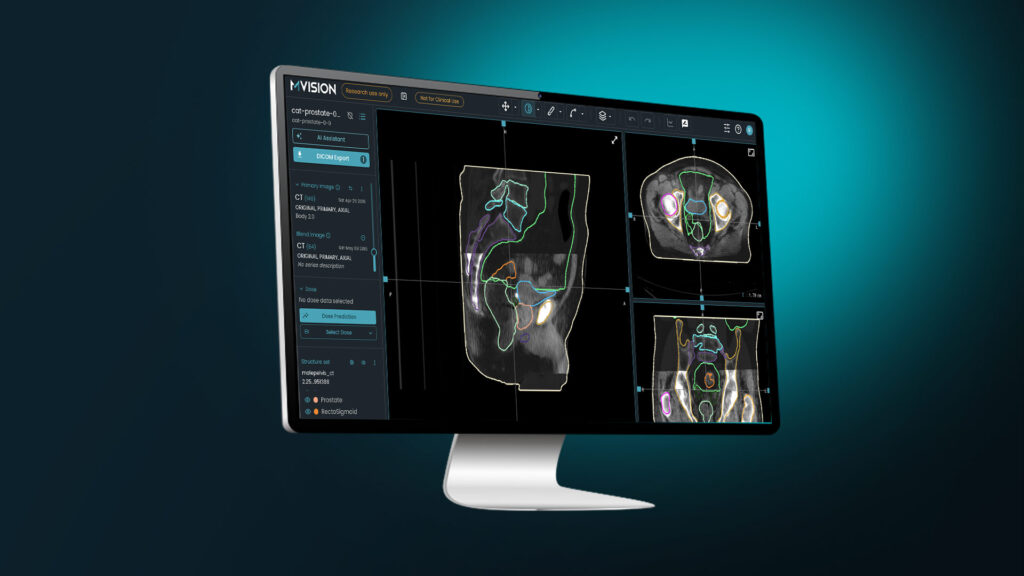
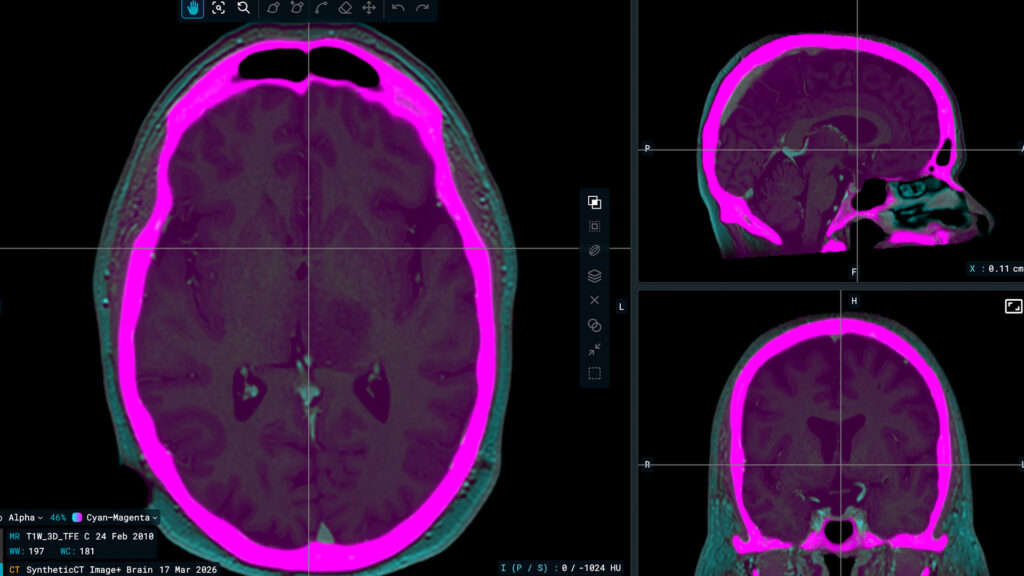
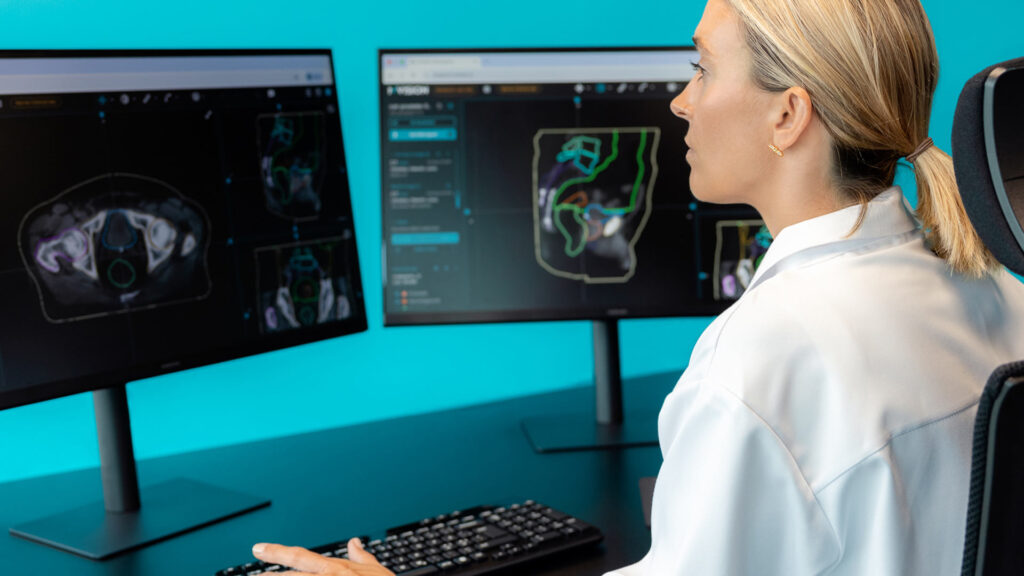
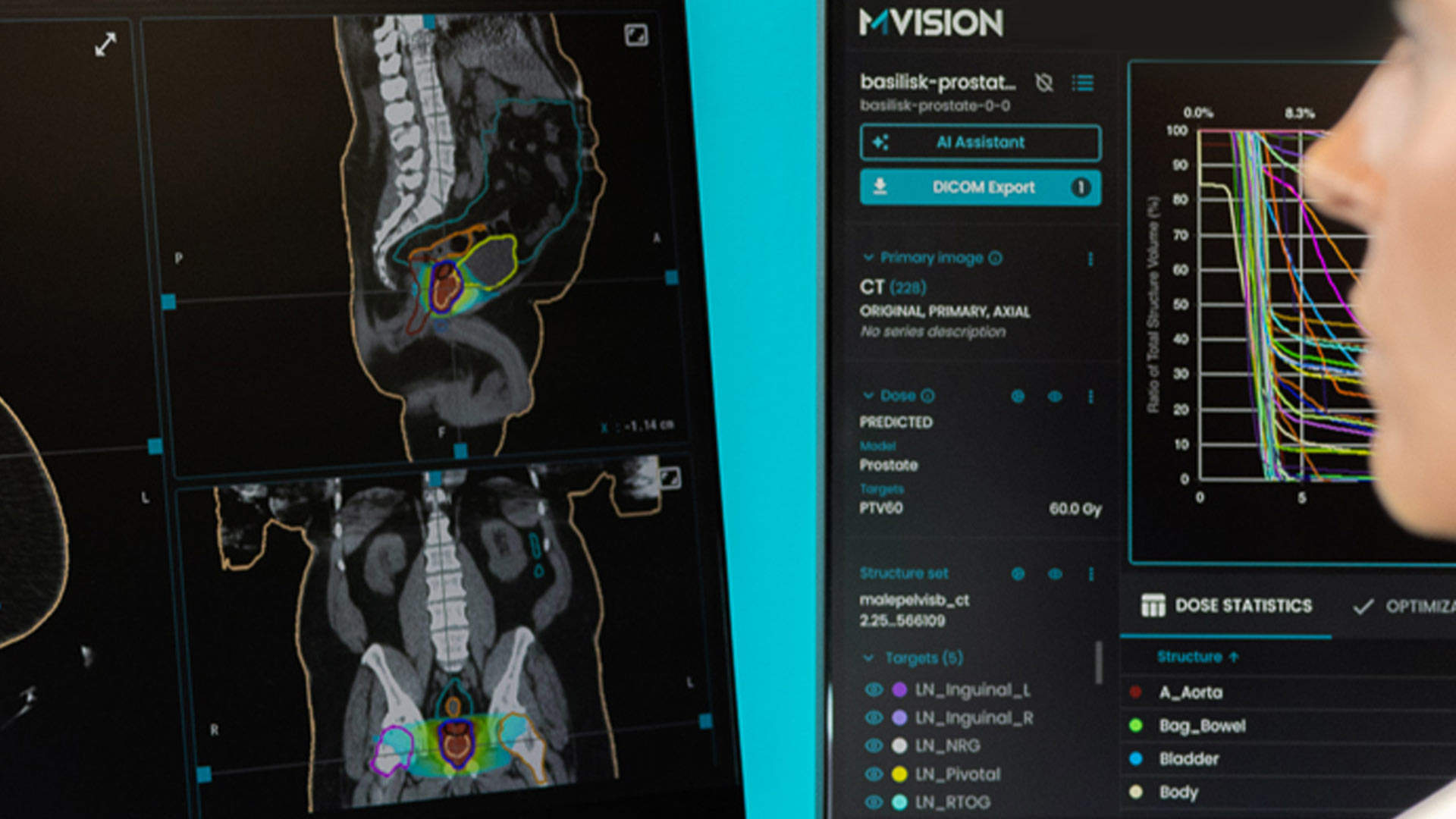
AI-assisted tools for treatment preparation are increasingly part of this conversation. Automating time-consuming steps, such as organ delineation or dose prediction, can help clinical teams work through higher patient volumes without a proportional increase in headcount.
None of this replaces the need for more trained specialists. But in a field where the workforce gap is measured in years, reducing the burden on existing staff is not a small thing. It is, for many clinics, the most immediate lever available.
References
- Atun R, Jaffray DA, Barton MB, et al. Expanding global access to radiotherapy. The Lancet Oncology. 2015;16(10):1153-1186. https://www.thelancet.com/journals/lanonc/article/PIIS1470-2045(15)00222-3/abstract
- Hricak H, Ward ZJ, Moraes FY et al. Cancer workforce — a global crisis: a Lancet Oncology Commission. The Lancet Oncology. 2026;27:e279–e316. https://www.thelancet.com/journals/lanonc/article/PIIS1470-2045(26)00065-3/abstract
- Zhu H et al. Global radiotherapy demands and corresponding radiotherapy-professional workforce requirements in 2022 and predicted to 2050: a population-based study. The Lancet Global Health. 2024;12(12):e1945–e1953. https://www.thelancet.com/journals/langlo/article/PIIS2214-109X(24)00355-3/fulltext
- Royal College of Radiologists. 2024 Clinical Oncology Workforce Census. https://www.rcr.ac.uk/news-policy/latest-updates/2024-workforce-census-reports-lay-bare-the-challenges-facing-radiology-and-clinical-oncology/
- Gagliardi F, D’Ippolito E, Grassi R, et al. Being a radiation oncologist: times of crisis for European graduates. BJR Open. 2025;7(1):tzaf016. https://academic.oup.com/bjro/article/7/1/tzaf016/8159059
- American Society for Radiation Oncology (ASTRO). Balance in Radiation Oncology Workforce Supply and Demand Predicted through 2030. 2023. https://www.astro.org/blog/march-2023/balance-in-radiation-oncology-workforce-supply-and-demand-predicted-through-2030
- Weisman M et al. Defining the Supply of Radiation Oncologists in the United States: An ASTRO Workforce Report. International Journal of Radiation Oncology, Biology, Physics. 2025. https://www.redjournal.org/article/S0360-3016(25)06274-1/abstract
- Vienna Centre for Disarmament and Non-Proliferation. Advancing Access to Radiotherapy in Low- and Middle-Income Countries. 2024. https://vcdnp.org/advancing-access-to-radiotherapy/
- Abdel-Wahab M et al. Radiotherapy resources in Africa: an International Atomic Energy Agency update and analysis of projected needs. The Lancet Oncology. 2021. https://pmc.ncbi.nlm.nih.gov/articles/PMC8675892/
- Elmore SN, Prajogi GB, Polo Rubio JA, Zubizarreta E. The global radiation oncology workforce in 2030: estimating physician training needs and proposing solutions to scale up capacity in low- and middle-income countries. Applied Radiation Oncology. 2019;8(2):10-16. https://www.appliedradiationoncology.com/articles/the-global-radiation-oncology-workforce-in-2030-estimating-physician-training-needs-and-proposing-solutions-to-scale-up-capacity-in-low-and-middle-income-countries