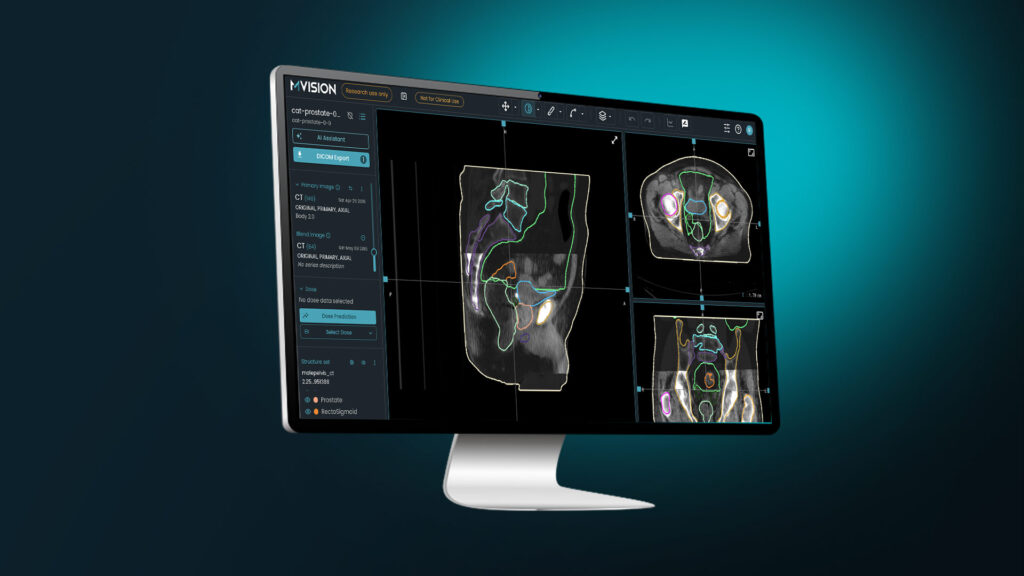
Contour Propagation in Offline Adaptive Radiotherapy
In modern radiation oncology, adaptive radiotherapy (ART) addresses dynamic anatomical changes that occur throughout a multi-week course of treatment (Dona…
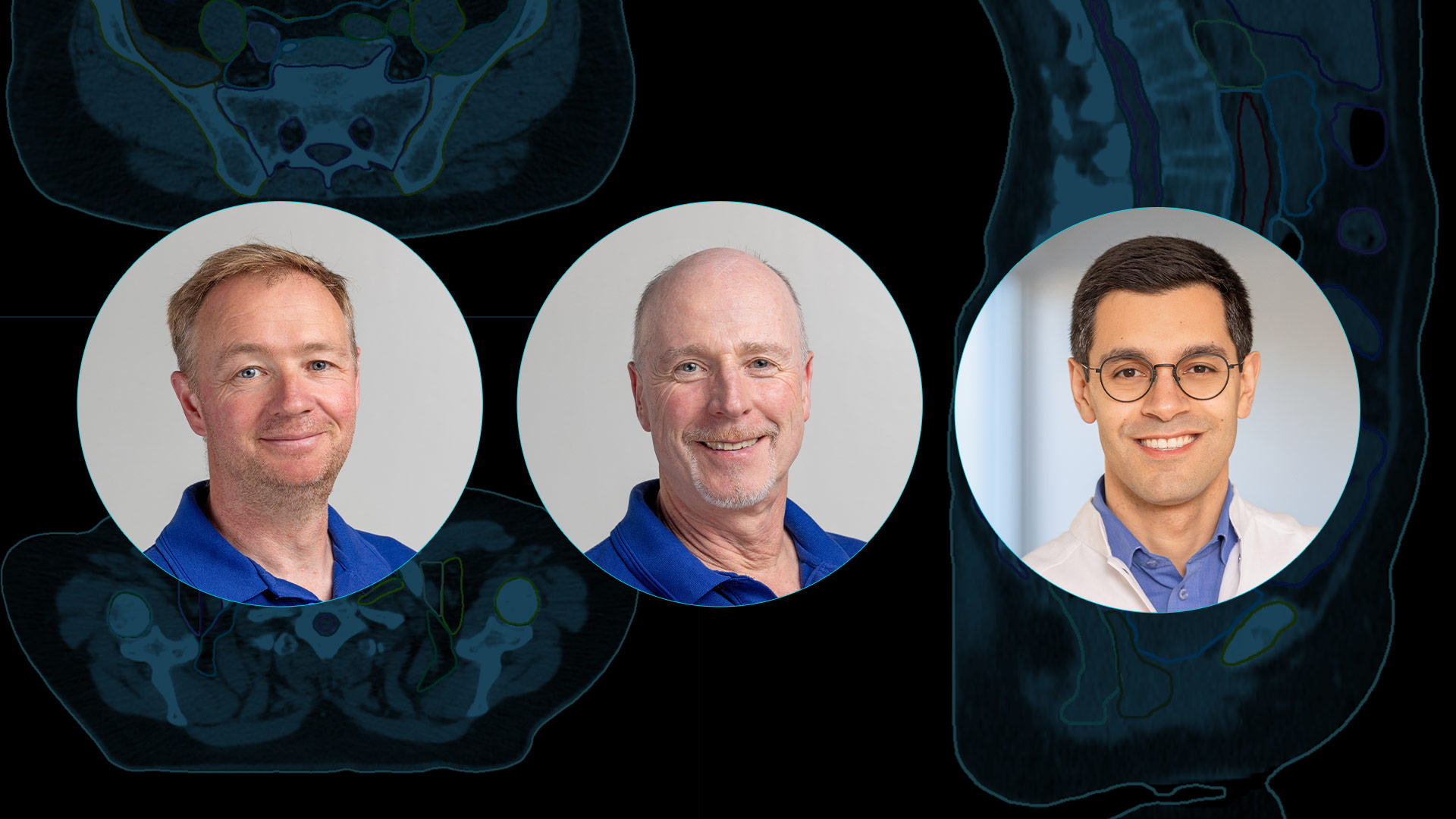
We work at MVZ Strahlentherapie Singen-Friedrichshafen, which operates two radiotherapy departments in the Lake Constance region and is part of the Evidia ICON-Group. Across both sites, we treat around 2,500 patients each year and operate three Elekta Versa HD linear accelerators. Our clinical team includes five radiation oncologists.
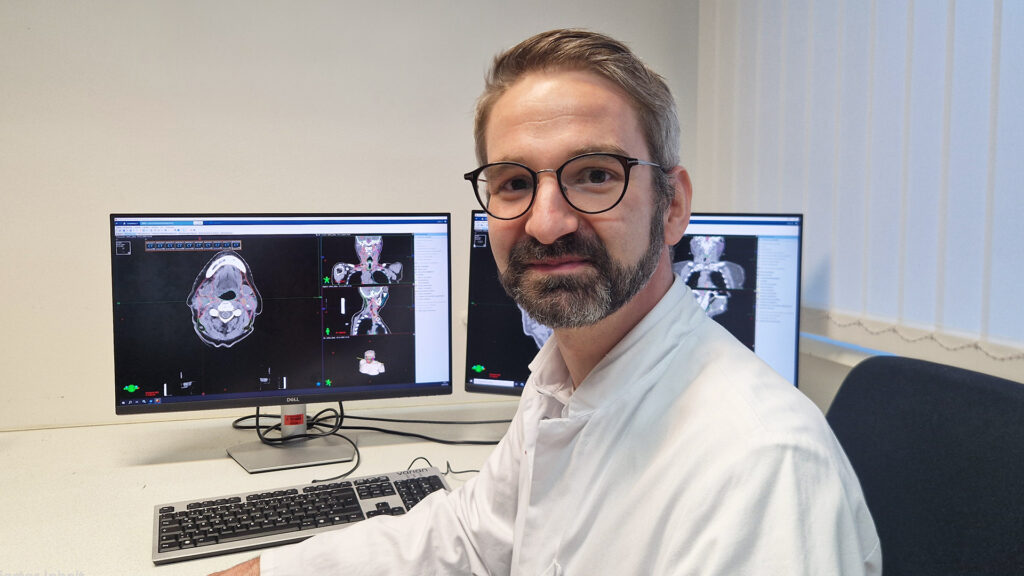
Dr. Farshin Mortasawi is Managing Director and a Specialist in Radiation Oncology and Palliative Medicine, and part of the centre’s clinical leadership. Dipl.-Ing. Holger Wirtz is Head of Medical Physics, overseeing treatment planning, workflow development, and the implementation of innovative technologies. Mike Fröhlich, MSc, works at the intersection of medical physics and medical IT, with a strong focus on quality assurance and on ensuring that clinical and technical processes fit together smoothly. Both of us are closely involved in translating innovation into everyday practice in a way that is robust, efficient, and genuinely valuable for patient care.
AI became part of our radiotherapy workflow step by step, starting with AI-supported contouring in July 2019. For us, the main driver was always efficiency without compromising quality. After the initial setup, including secure proxy implementation in line with data protection requirements, our team quickly gained confidence in the system. Acceptance among our radiation oncologists rose from around 85% at the beginning to about 98% in daily routine.
What made the biggest difference was how smoothly AI fit into our existing environment. This process was supported by the preparatory work done beforehand, as Cureator Foundation helped us standardize and structure the data for seamless downstream processing. As a result, bottlenecks in the workflow were reduced, physicists could begin treatment planning earlier, and the overall process became noticeably more efficient.
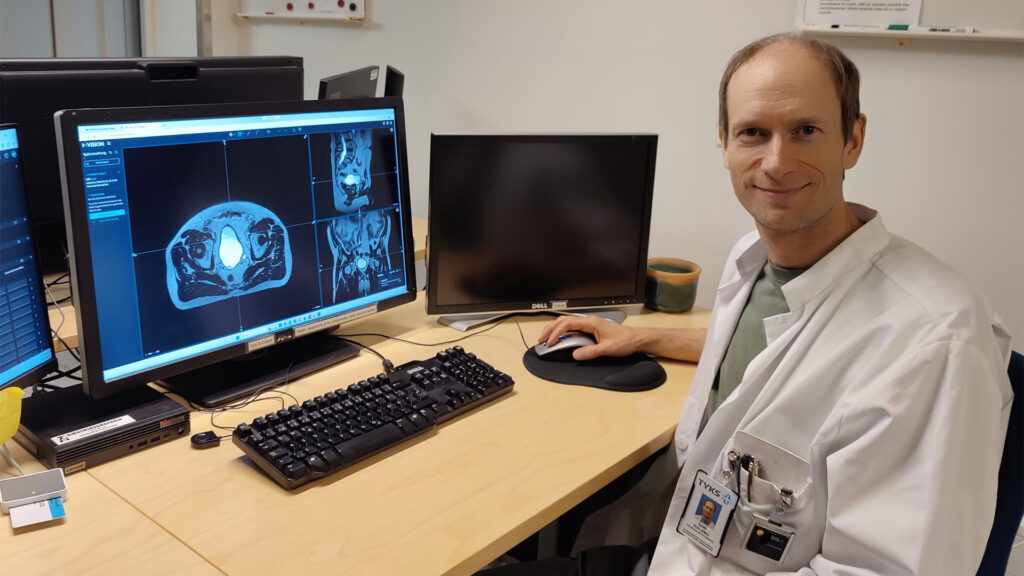
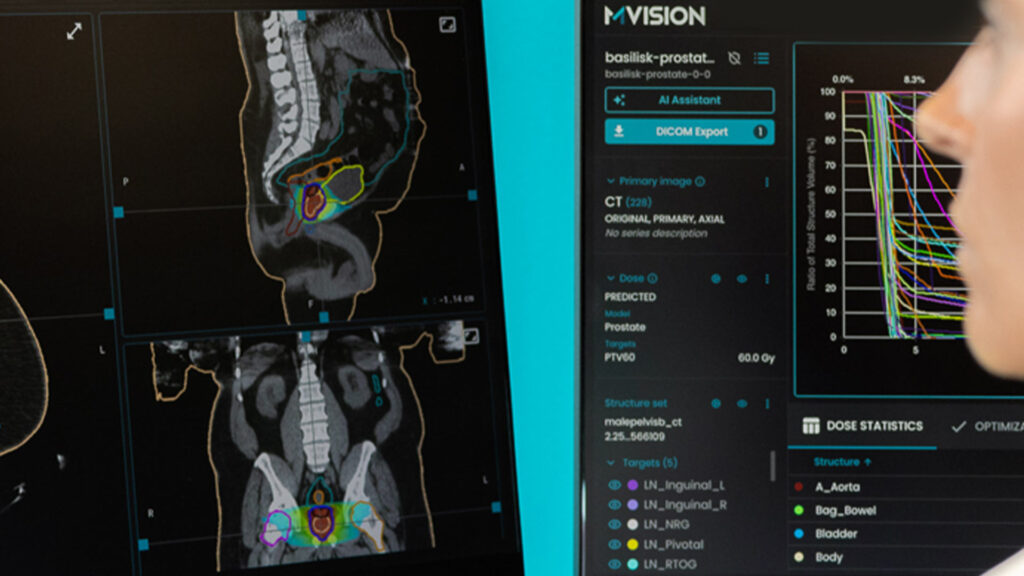
MVision’s AI solutions, especially Contour+, have clearly changed the way we work. The biggest impact has been on workflow speed and continuity. Contouring used to be a time-consuming step that could slow down everything that followed. With AI-supported contouring, this part of the process became much faster without compromising quality, and that had an immediate positive effect on the rest of the workflow. Cureator further supports this acceleration by streamlining data handover and improving access to relevant data. For our physicists, this means they can start dosimetric planning much earlier.
With the introduction of Dose+, we expect this progress to continue in AI-supported planning as well, especially in the generation of high-quality VMAT treatment plans, where time savings of around 70% have already been demonstrated. In daily routine, this results in fewer delays, better coordination, and a much more efficient overall workflow.
For our patients, these advancements make a real difference by making the entire treatment preparation process faster, more consistent, and more predictable. When AI-supported contouring and planning reduce delays in the workflow, patients benefit directly from shorter waiting times and a smoother path to treatment. In our setting, this has significantly shortened preparation times, and even complex 3D VMAT workflows can now be completed end to end, including patient QA with online dosimetry, in less than one hour.
Just as importantly, these time savings do not come at the expense of quality. On the contrary, the combination of speed, standardization, and better workflow coordination helps us deliver precise radiotherapy more efficiently. For patients, that means quicker access to treatment and a care pathway that feels more coordinated and reliable.
What excites us most about the future of AI in oncology is that this journey is still only just beginning. Many highly promising AI solutions are now emerging, and companies like MVision and Cureator already illustrate the innovative potential this field holds. We believe we are witnessing a truly exciting moment, as AI becomes more and more established in medicine.
Looking ahead, we expect AI to help address many of the practical challenges we still face today in workflow efficiency, data handling, planning, and quality assurance, while also contributing more broadly to our understanding of diseases and how we treat them. This should not only improve care for patients in industrialised countries, but also help bring knowledge, expertise, and high-quality medical care to patients across all regions of the world. In the end, every meaningful step forward in healthcare leads to better, faster, and more consistent care for patients.
About MVZ Strahlentherapie Singen-Friedrichshafen
MVZ Strahlentherapie Singen-Friedrichshafen operates two radiotherapy centres in the Lake Constance region of southern Germany, providing advanced radiation therapy for patients with oncological as well as selected benign conditions. The centres are part of the Evidia ICON-Group, a leading provider of radiology and radiation medicine services in Europe.
Equipped with modern radiotherapy technology, the centres focus on delivering precise, high-quality treatments while working closely with regional hospitals and certified cancer centres. Through this collaborative approach, the clinical teams support coordinated, guideline-based cancer care for patients across the region.